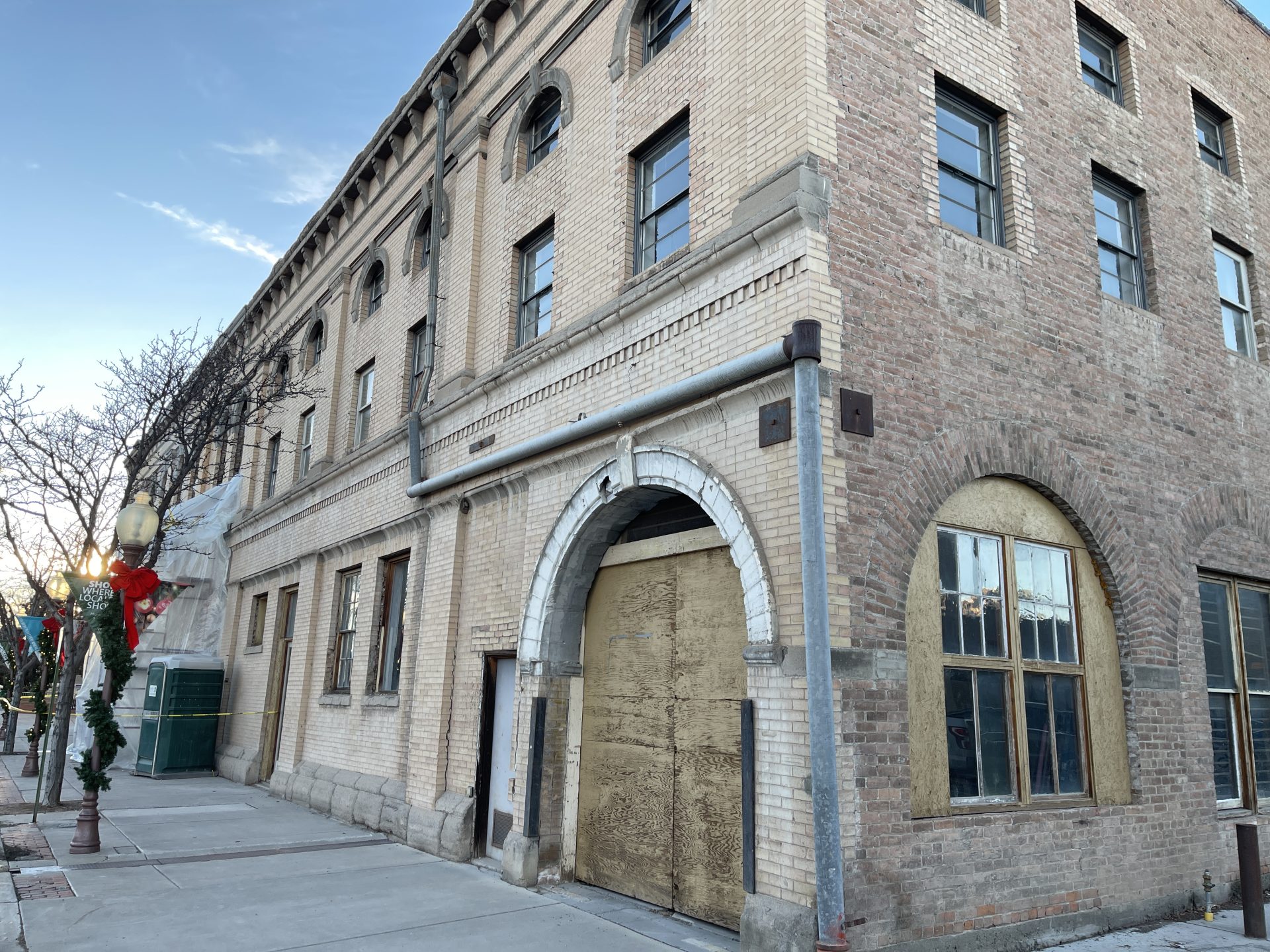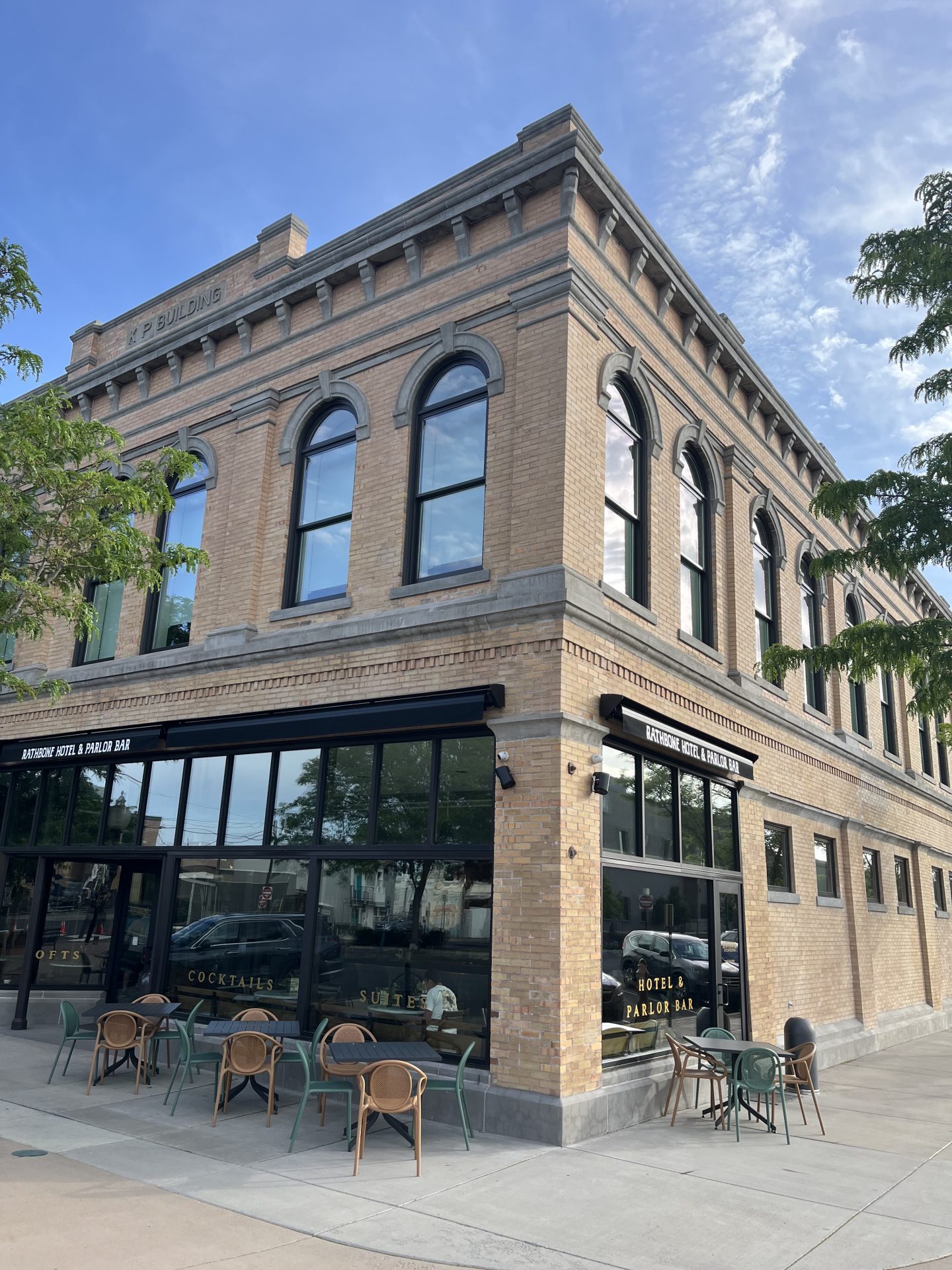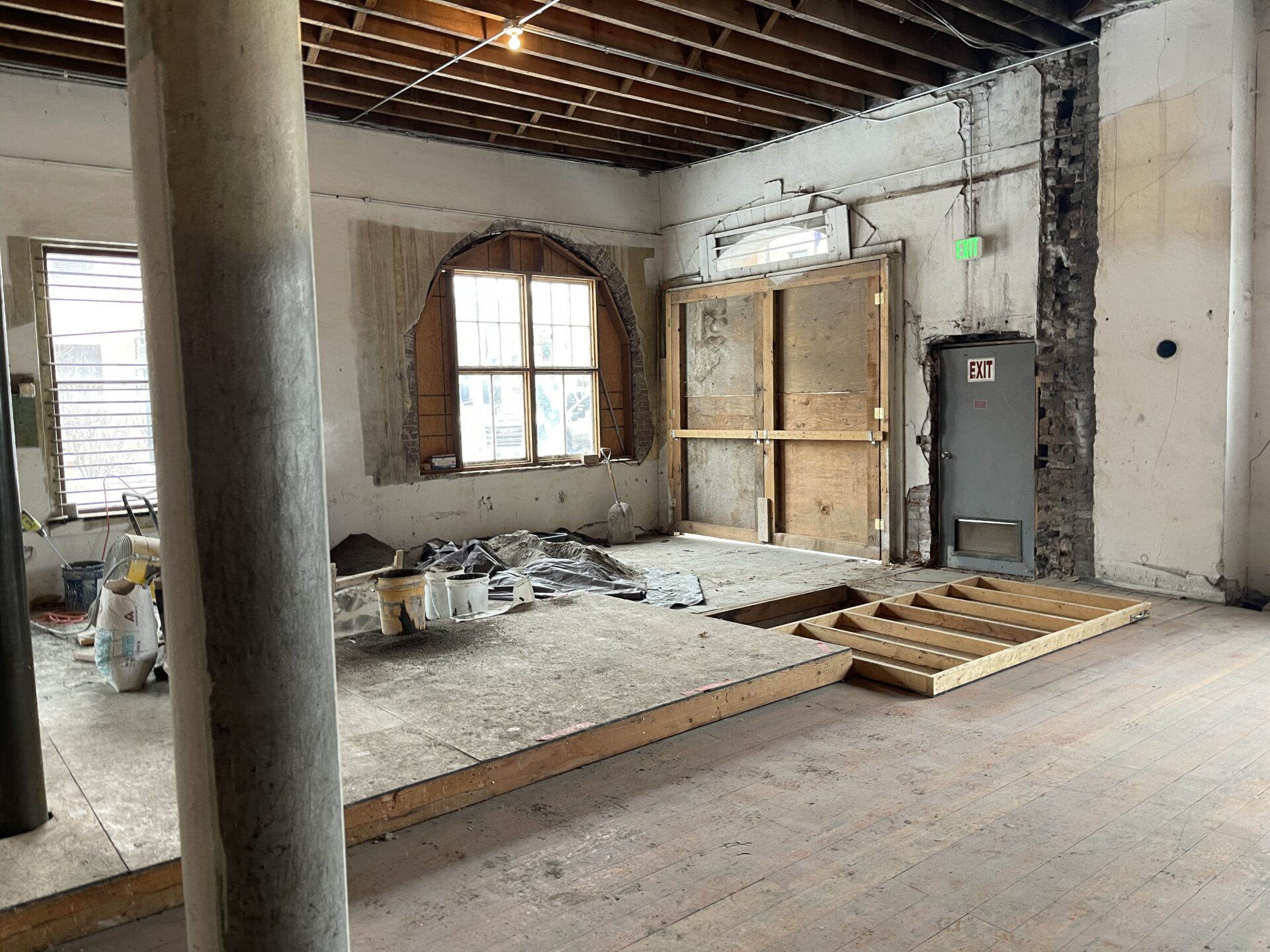
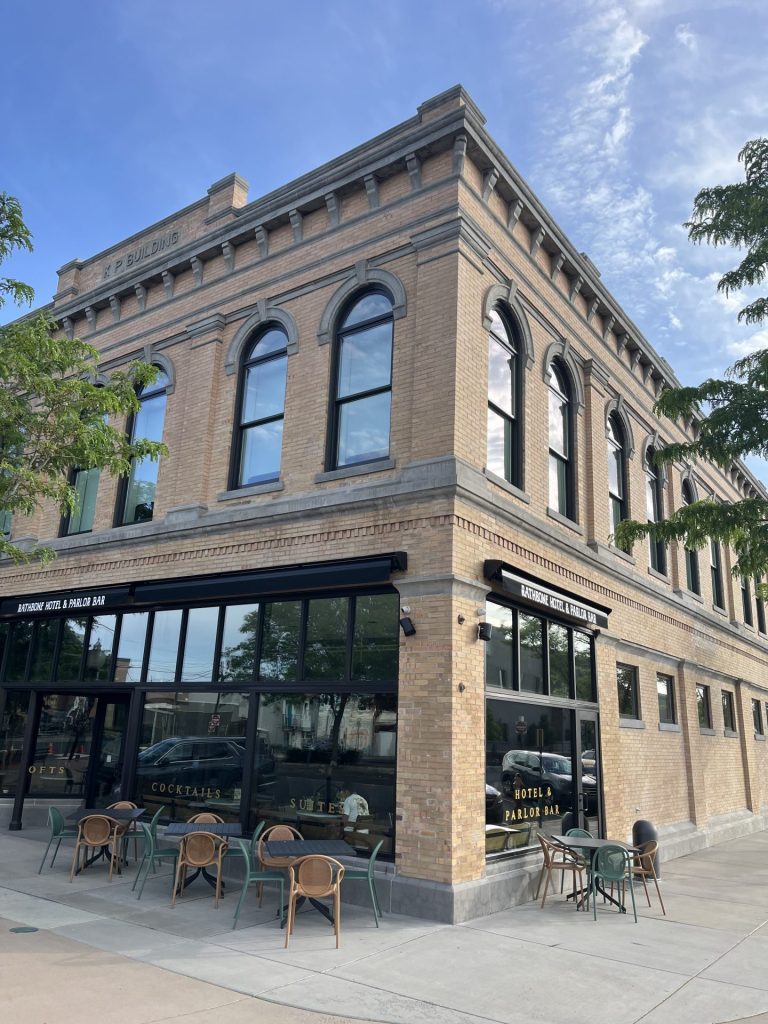
The Rathbone Hotel in Montrose, Colo., originally built in 1909 by the Knights of Pythias, was rehabilitated and converted into a 17-room boutique hotel after a 2012 fire caused it to be vacant for a decade. Knott Laboratory collaborated with the architect, Springboard Studio, LLC, to preserve the building’s historic status and characteristics while addressing structural deficiencies.
The Challenge
Adaptive reuse projects often require careful balance between preservation and modernization. For the Rathbone Hotel, key challenges included:
- Addressing structural deficiencies and fire-damaged elements
- Supporting increased loads from new layouts, including a lofted floor
- Preserving the building’s historic fabric to meet strict tax credit requirements
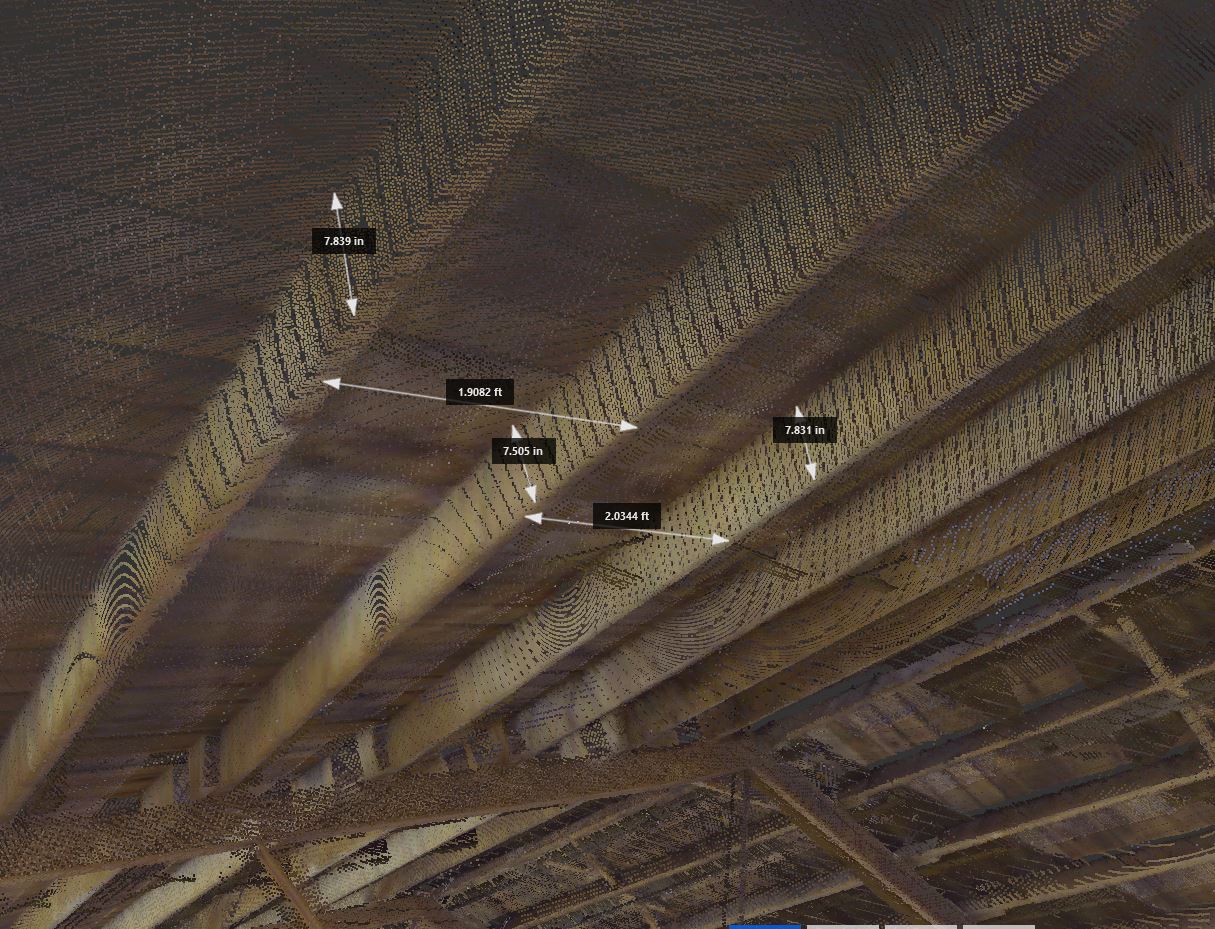
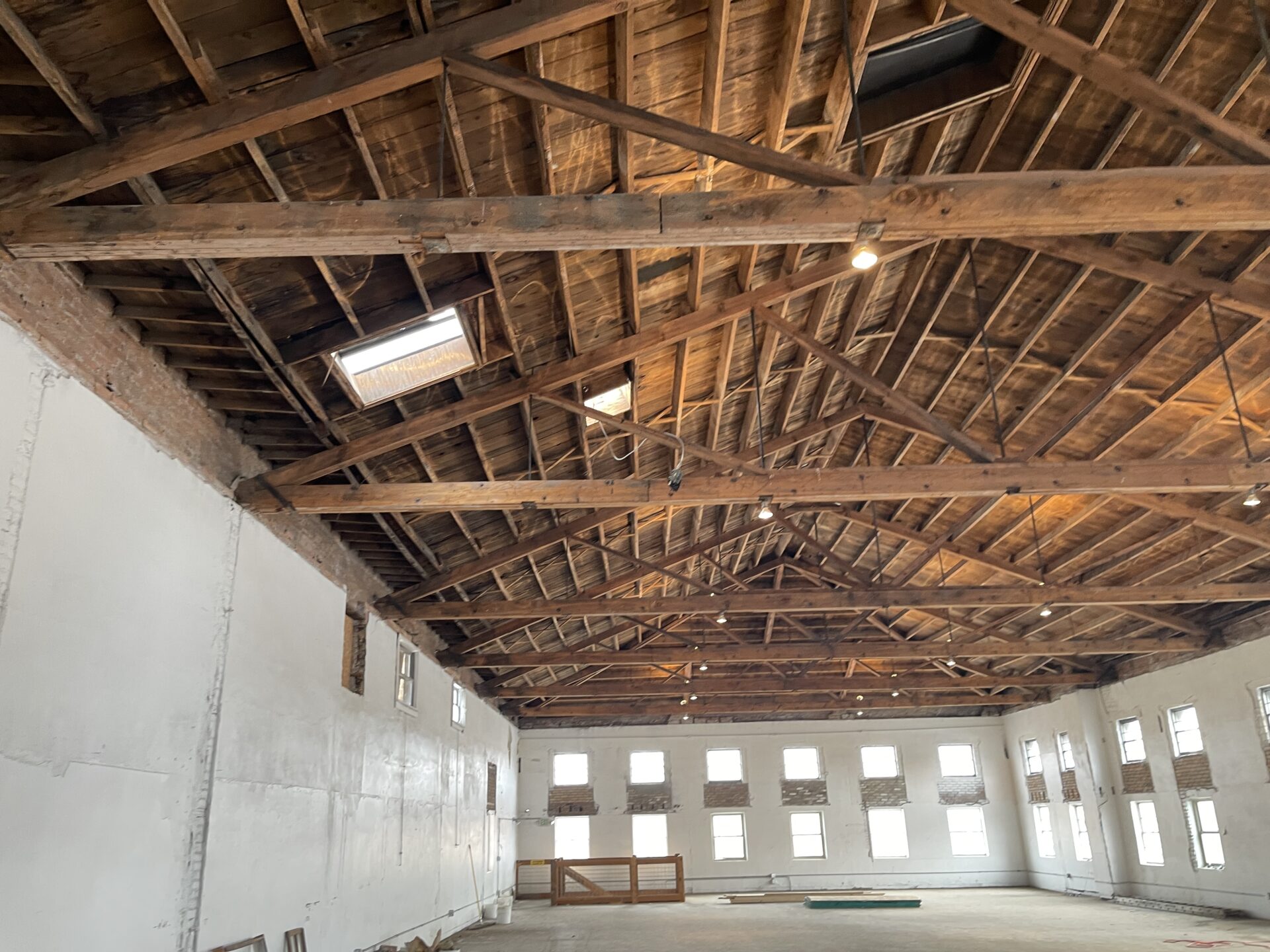
- Accommodating irregularities in the existing structure, including sagging roof trusses
Meeting these requirements was critical, not only for structural safety and performance, but also for maintaining eligibility for historic preservation incentives, which were essential to the project’s financial viability.
The Approach
Our team developed a structural design strategy centered on reinforcing and reusing the existing building systems wherever possible.
Detailed Structural Evaluation
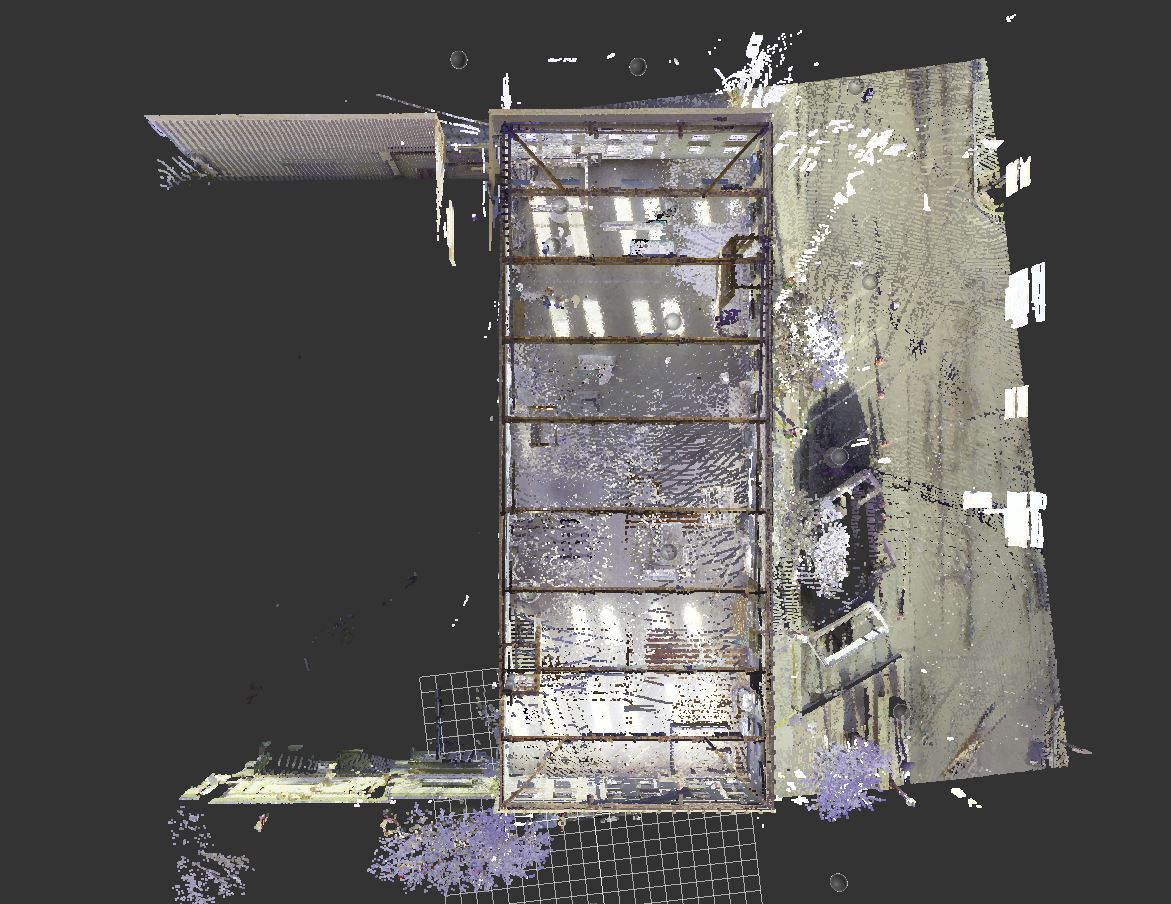
The team used 3D laser scanning to obtain precise measurements and identify structural irregularities, including up to three inches of permanent sag in original wood trusses.
Innovative Reinforcement Solutions
Rather than replacing the historic trusses, Knott designed a system of beams installed above the bottom chord, along with custom hangers that transferred loads to new beam lines. This approach allowed the existing trusses to remain in place while meeting performance requirements and maintaining desired ceiling heights.
Load Path Improvements
To support new floor loads, including a third lofted level and added gypcrete topping, stacked beam lines were introduced, transferring loads to new interior micropile-supported foundations.
Preservation-Focused Design
Knott prioritized reuse over replacement throughout the project:
- Reinforced existing wood floor joists and roof trusses instead of removing them
- Rehabilitated fire-damaged framing by sealing and sistering joists
- Maintained the original roof structure, floor framing, and masonry walls
- Added interior wall framing to improve lateral performance and accommodate insulation
This approach reduced material use, controlled costs, and preserved the building’s historic character.
The Outcome
The Rathbone Hotel was successfully transformed into a functional, modern hospitality space while retaining its historic identity.
- Building preserved and repurposed rather than demolished
- Structural performance improved to support new occupancy and loads
- Historic character maintained to meet preservation standards
- Project achieved eligibility for historic tax credits
The Rathbone is now on the National Register of Historic Places, the Colorado State Register of Historic Properties, and the local historic registry. The hotel also received awards for historic preservation in the State of Colorado.
Timothy Stroh, architect on the project, had this to say: “Existing buildings have so much potential. I often run into developers skeptical of the process. But the key is working with an experienced team early on who understands how to stabilize and repair what’s already there.”
These structures tell a valuable story unique to their community. We are honored to have worked on the Rathbone and thoroughly enjoy bringing new life to these historic buildings.