A commercial property owner began noticing what seemed like minor, unrelated issues across their building: a ceiling stain here, hairline cracking there, doors that no longer closed quite right. Individually, none of these issues appeared urgent. Collectively, they told a very different story.
This scenario is increasingly common in today’s construction environment. As demand accelerates and skilled labor becomes harder to secure, subtle construction defects are slipping through, often hidden behind finishes and only surfacing once damage is already underway. In this case, the real risk wasn’t cosmetic damage. It was a failing building envelope quietly allowing water and movement to compromise the structure itself.
Knott Laboratory was engaged to evaluate the condition of the building envelope—the system of walls, roofs, windows, doors, balconies, and foundations that protects everything inside. Rather than treating each symptom in isolation, the forensic engineering team assessed how the warning signs interacted and progressed.
The findings aligned with five red flags that frequently precede serious envelope failure:
- Water Intrusion
Ceiling stains were traced back to a poorly sealed exterior condition several stories above. Water had migrated along structural elements before becoming visible inside, creating the potential for mold growth, corrosion, and material deterioration if left unaddressed. - Cracking and Gapping
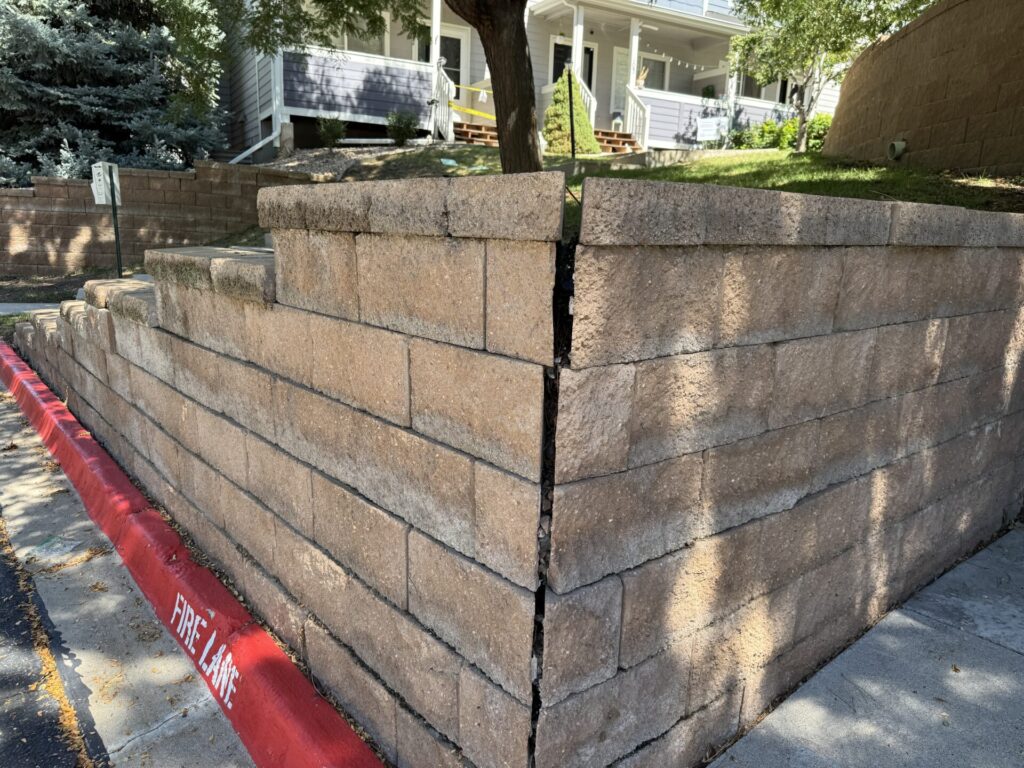
Cracks were observed around window openings and at transitions between materials. While some cracking can be normal, the location and progression of these gaps indicated differential movement—an early warning sign that the envelope was no longer performing as designed.
- Deteriorating Sealants and Flashing
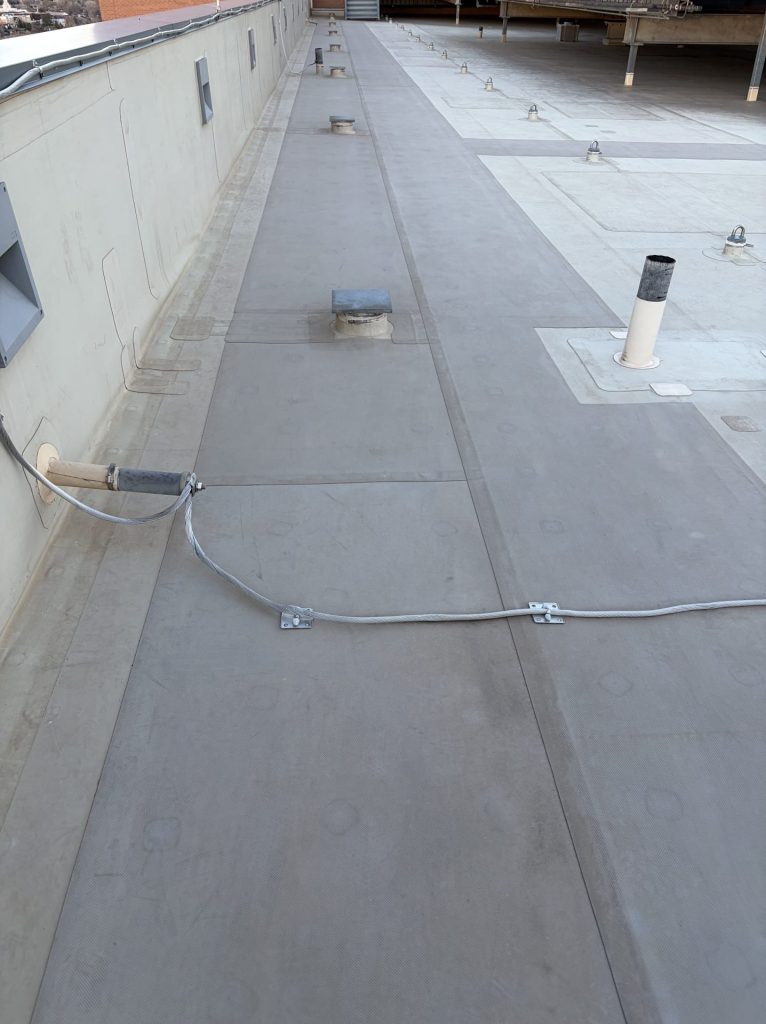
Aging or improperly installed sealants had lost adhesion, allowing moisture to bypass critical barriers. These failures often go unnoticed during routine maintenance but are among the most common sources of long-term damage. - Interior Symptoms with Exterior Origins
Interior drywall damage and finish deterioration were symptoms, not causes. The investigation confirmed that the true failures were occurring at the exterior envelope, reinforcing the need to look beyond visible damage. - Delayed Response
Perhaps the most significant risk factor was time. Each warning sign had been present long enough to allow deterioration to accelerate, increasing the scope and cost of eventual repairs.
The Outcome
Because the warning signs were identified before failure occurred, the property owner was able to:
- Target repairs at the true source of the problem rather than repeatedly fixing symptoms
- Limit the spread of moisture-related damage
- Avoid more extensive and costly structural repairs
- Preserve the building’s value and long-term performance
Early forensic evaluation turned what could have become a multimillion‑dollar claim into a controlled repair strategy.
Key Takeaways for Building Owners and Managers
This case underscores a critical lesson: buildings communicate distress long before failure occurs. Water stains, cracks, and material deterioration are not isolated maintenance issues, they are data points. When viewed together, they reveal whether a building envelope is at risk.
Ignoring these signals doesn’t make them go away. It allows damage to compound behind walls, under roofs, and within structural systems—where repairs become far more invasive and expensive.