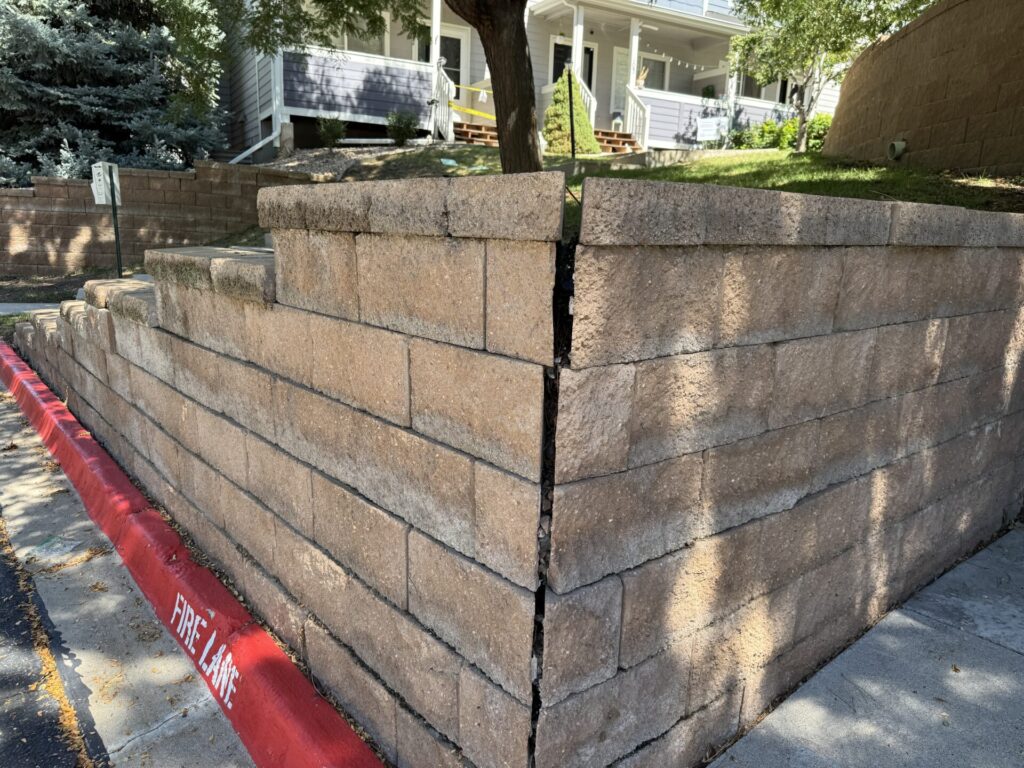
At townhome community in Fort Collins, Colorado, our team was engaged to evaluate potential foundation movement across multiple buildings. The scope included 34 townhome structures totaling 68 individual units, with the goal of documenting observed conditions, prioritizing risk, and developing clear, actionable repair recommendations.
Investigation & Analysis
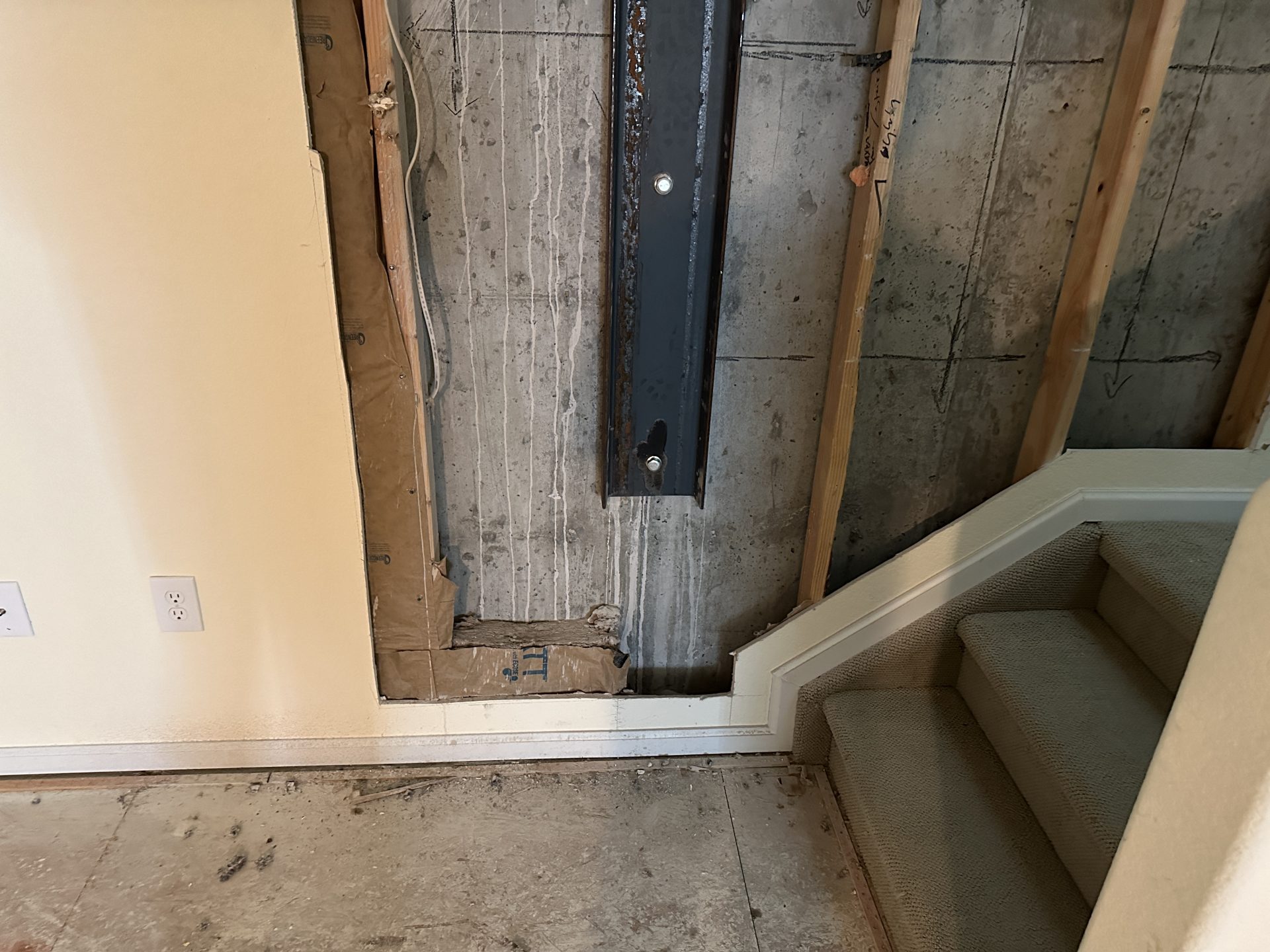
Each unit was evaluated for overall structural performance relative to observed out‑of‑level (OOL) conditions. Our investigation included detailed documentation of floor plans, relative elevation surveys using a Leica 3D laser scanner, and a comprehensive review of interior distress indicators. These included drywall cracking patterns, door and window operation, plumbing fixture heave indicators, and other signs of movement affecting livability and performance.
Reporting & Prioritization
We prepared an individual report for each unit, featuring floor‑by‑floor OOL “heat maps” to clearly visualize movement trends. Using this data, all units were prioritized based on severity and risk, allowing stakeholders to make informed decisions regarding repair sequencing and scope.
Repair Planning
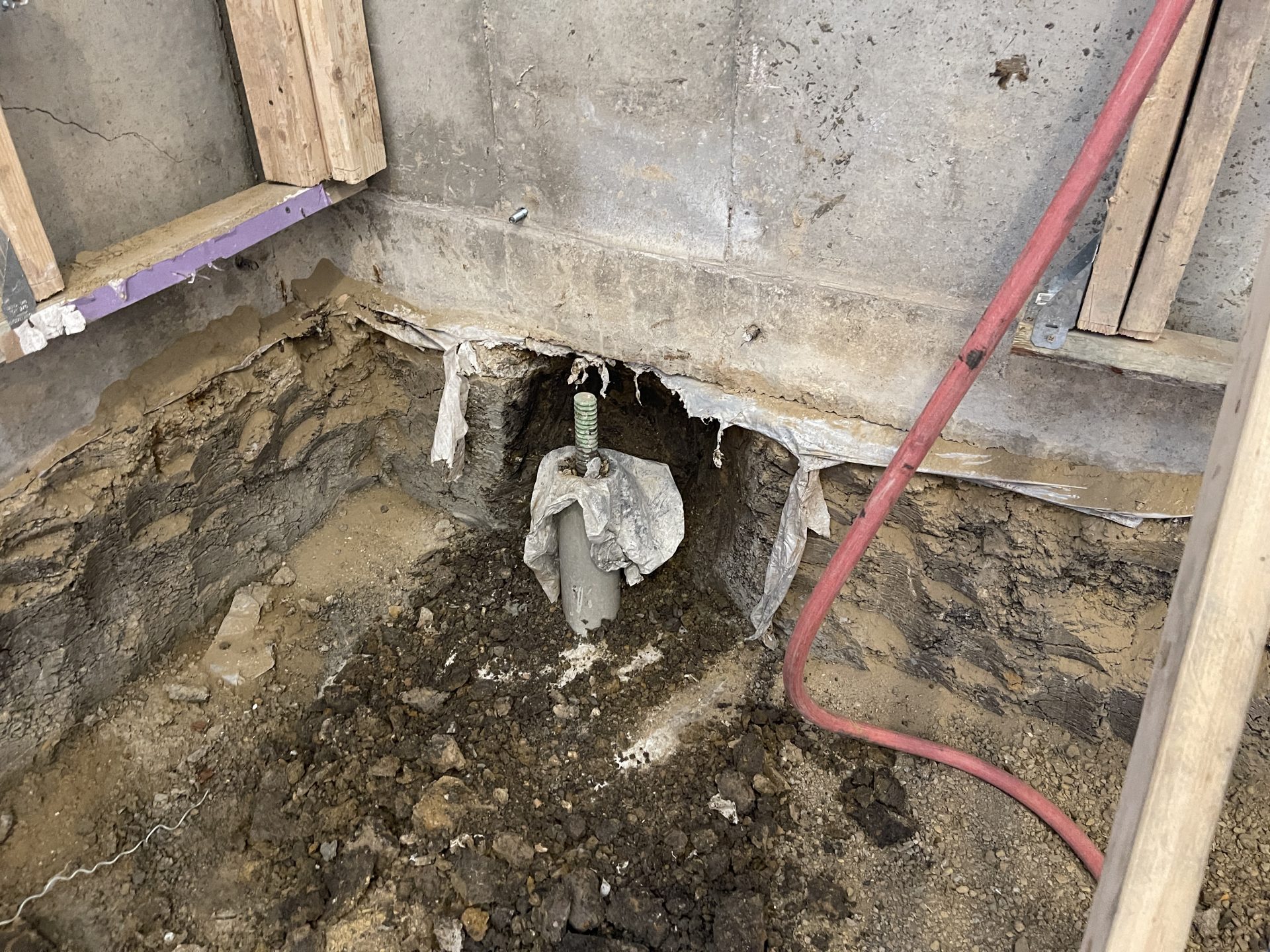
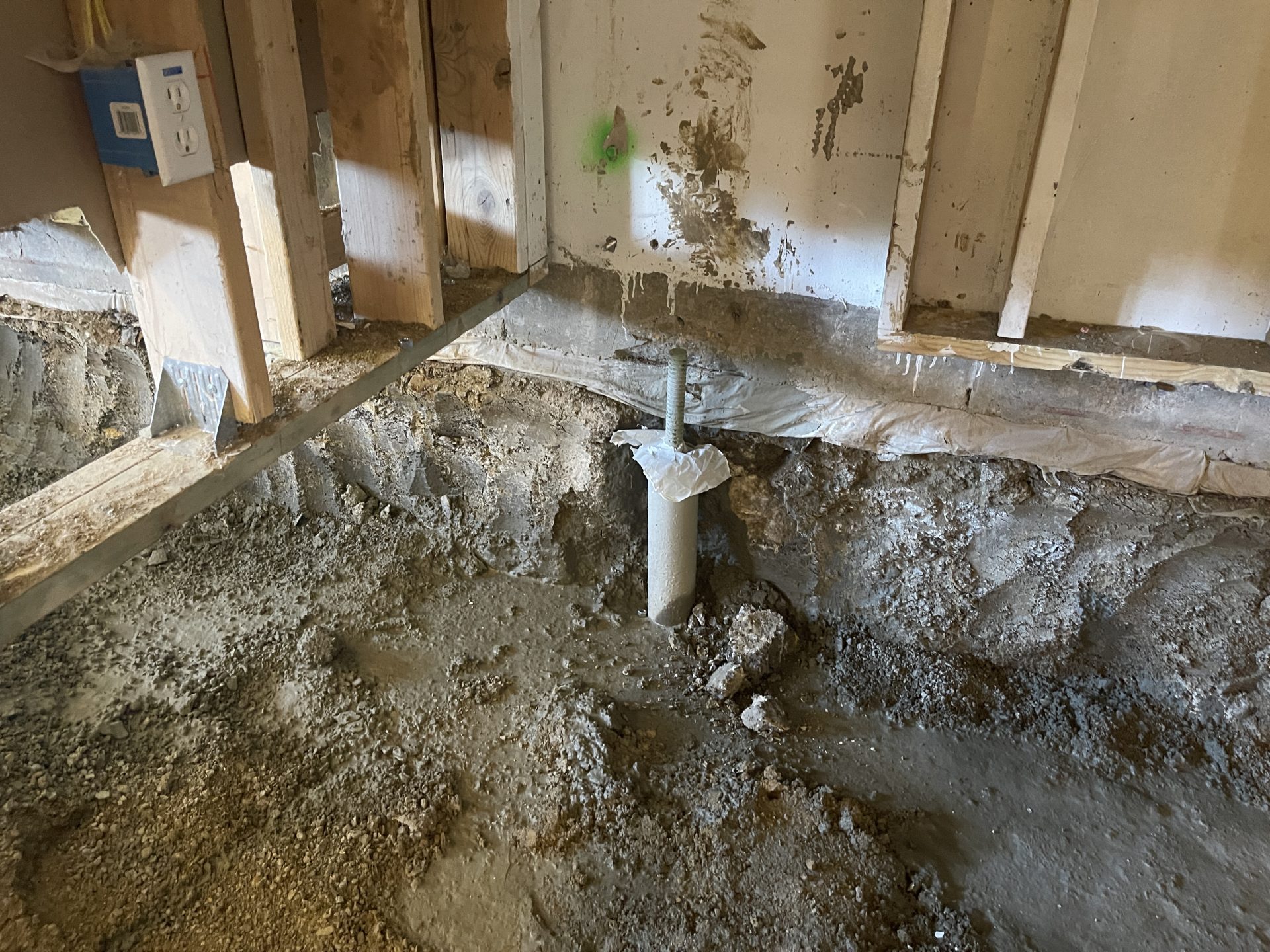
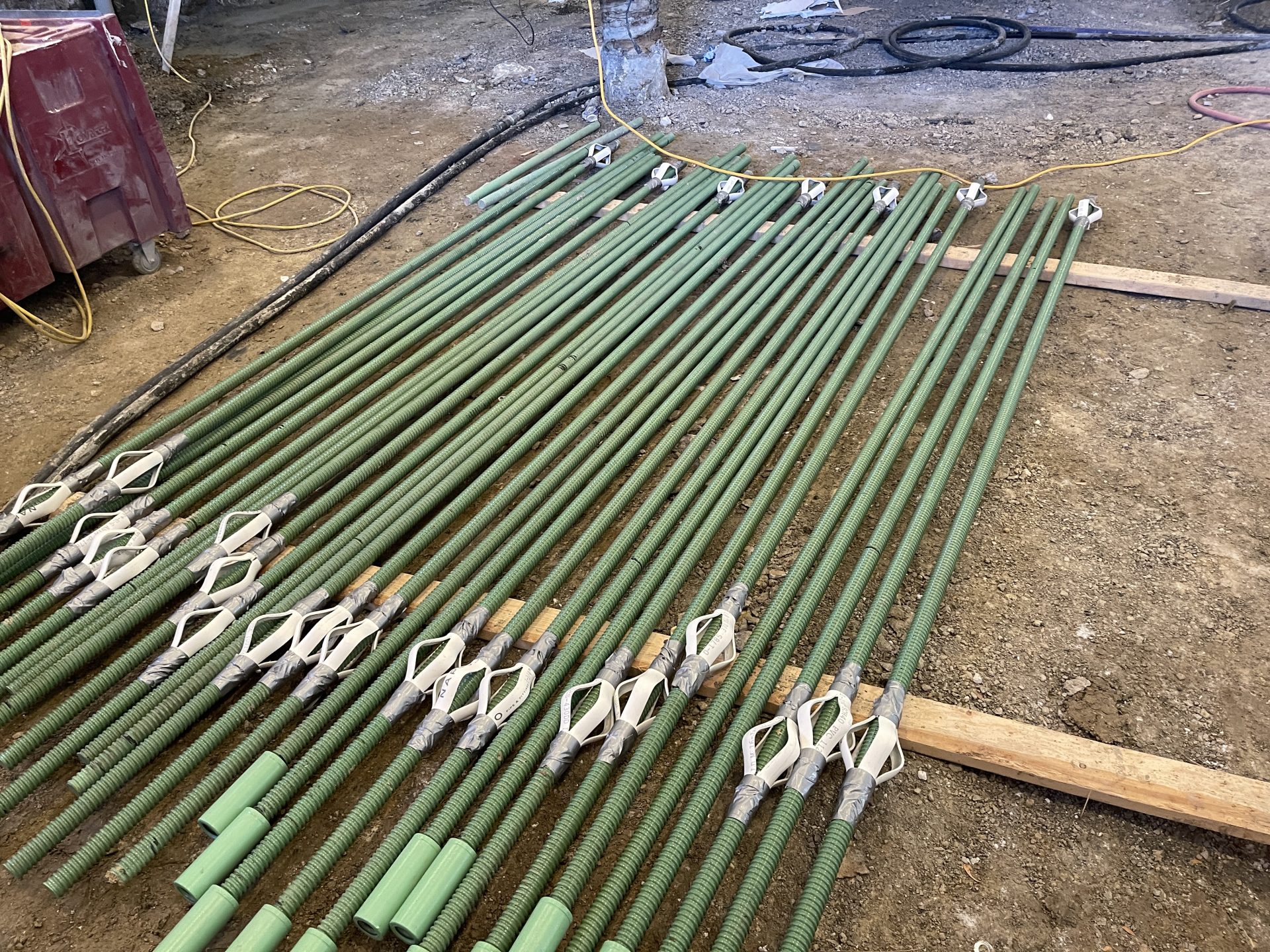
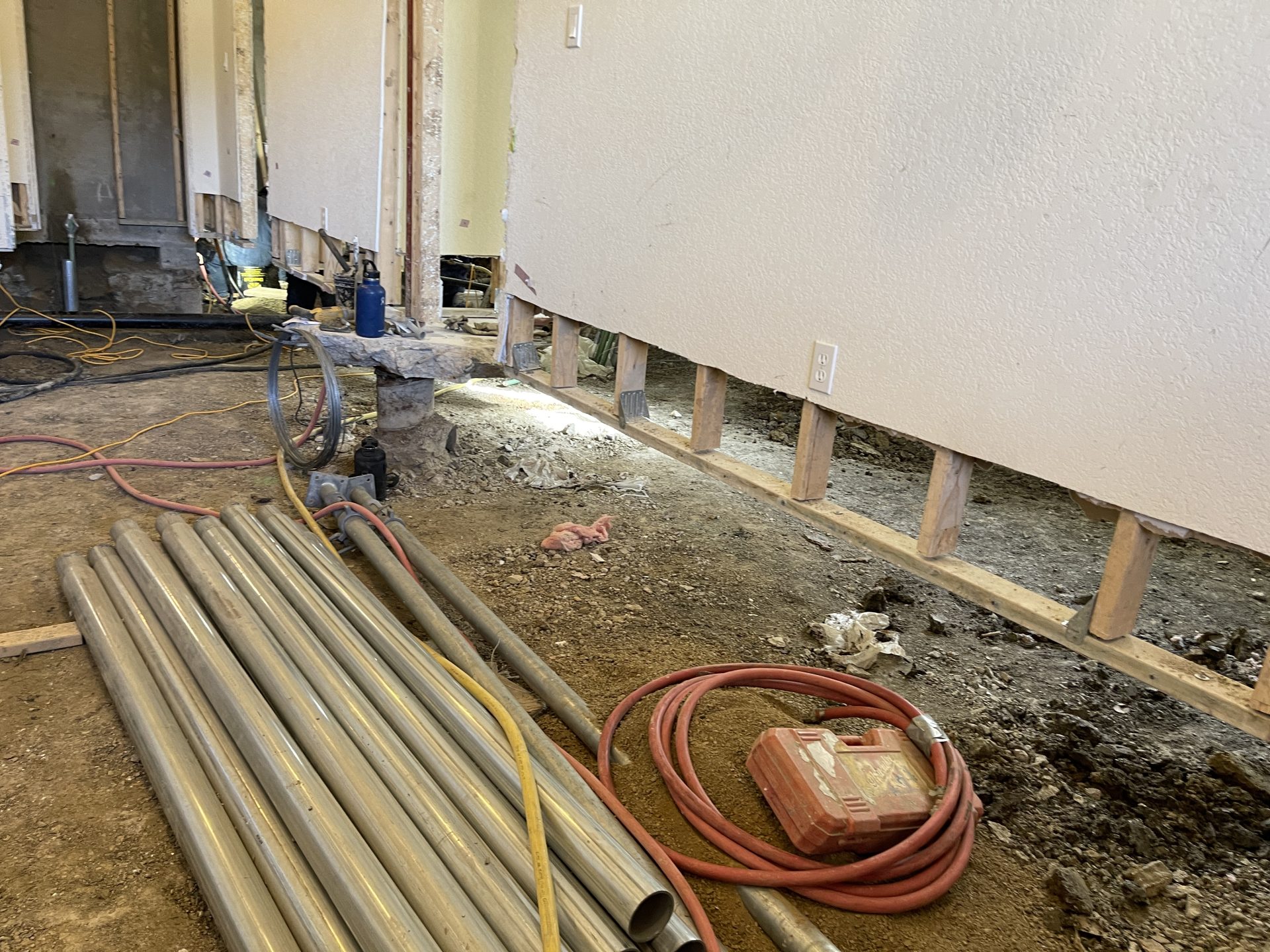
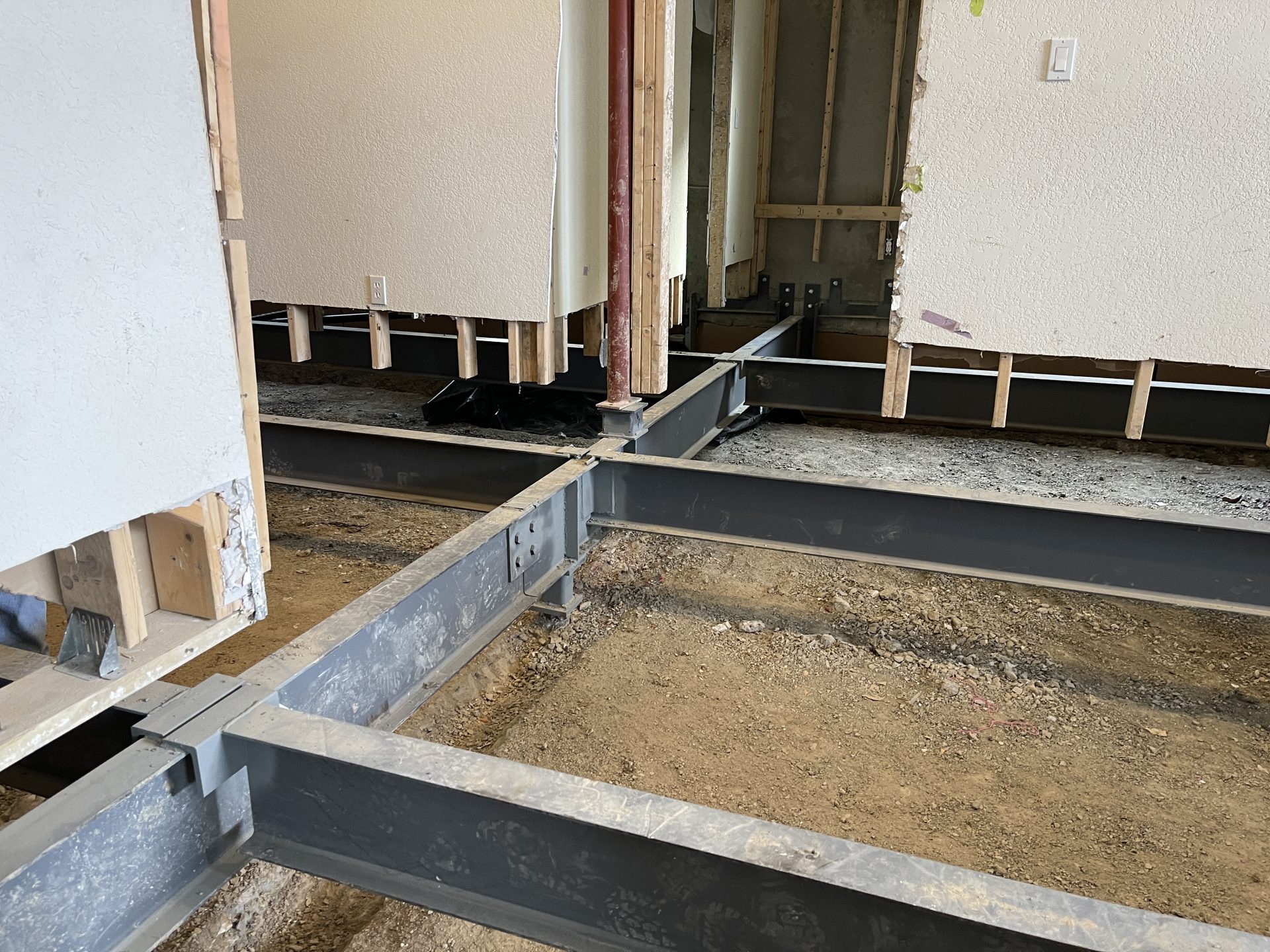
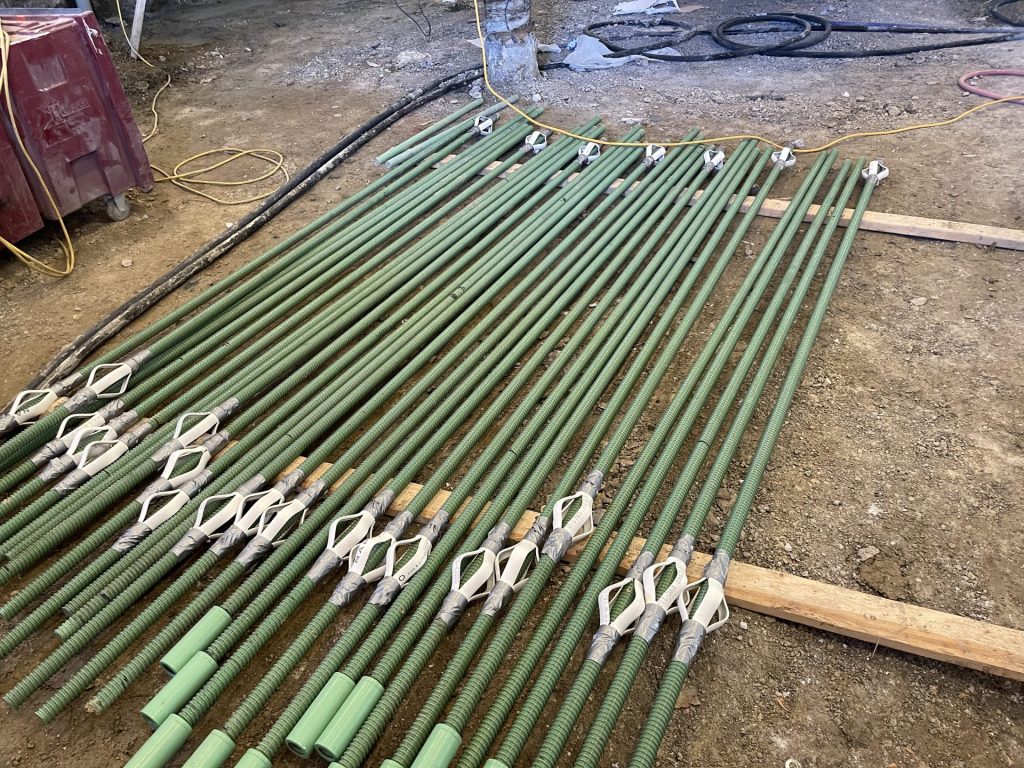
Based on our findings, we developed engineered repair plans for 24 units. Recommended solutions included underpinning perimeter and interior foundations with micropiles extending up to 60 feet, installation of new structural concrete basement floors with crawlspaces of up to 16 inches, and underpinning of existing exterior counterforts with micropiles to improve long‑term stability.
Outcome
This phased, data‑driven approach provided the owners with a clear understanding of existing conditions, prioritized repair needs, and durable solutions designed to address the root causes of foundation movement while minimizing unnecessary intervention.