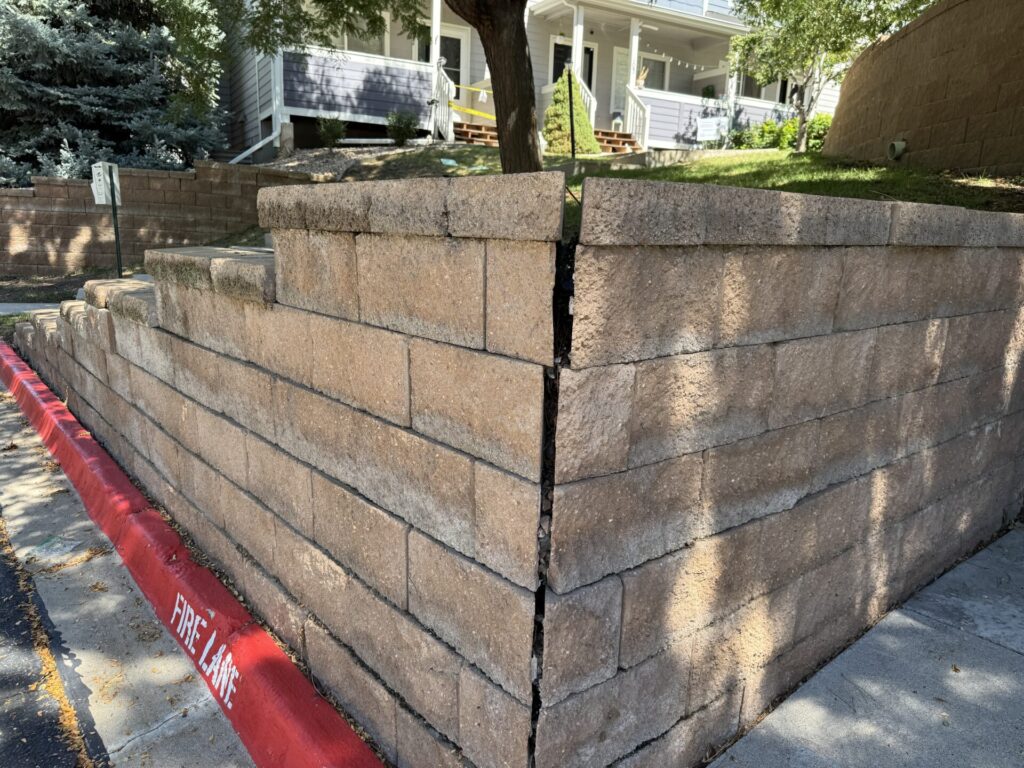
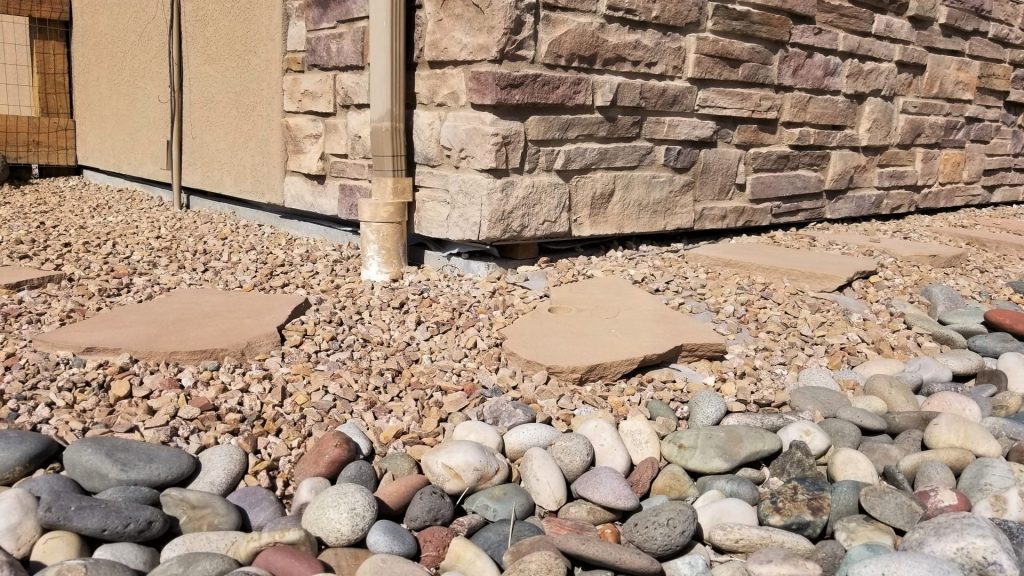
Discovering foundation problems in a newly built home can be alarming, especially when you’ve only just moved in. Cracks, sticking doors, drainage issues, or uneven concrete are not things homeowners expect in new construction. Unfortunately, these issues may be signs of construction defects, and if left unaddressed, they can worsen over time and significantly impact your home’s value.
If your home is newly constructed and you’re already seeing signs of foundation or structural problems, you may have legal options. However, timing is critical.
Construction Defect Deadlines Vary by State
Every state has strict deadlines that limit how long homeowners have to take legal action for construction defects. In Colorado, homeowners may have as little as two years from the date a defect is discovered to pursue a claim. Importantly, informal discussions or repair attempts with your builder do not pause or extend this deadline. Missing this window can permanently eliminate your right to recover repair costs.
Other states allow longer timelines. For example, Arizona homeowners may have up to eight years to file certain construction defect claims. Because these laws are complex and state‑specific, early evaluation is essential to protecting your rights.
Common Signs of Construction Defects in New Homes
Construction defects can appear during construction or shortly after move‑in. Some are obvious, while others develop gradually. Warning signs may include:
- Doors or windows that stick, bind, or no longer close properly
- Poor drainage or water pooling around the home, including ice buildup in winter
- Cracking, heaving, or settling of concrete slabs, driveways, or patios
- Cracks in foundation walls, brick, or stone veneer
- Cracking or separation in stucco finishes
- Interior wall or ceiling cracks
- Sloping patios or sinking areas around the home’s perimeter
- Sagging floors, beams, or framing
These issues are not always cosmetic. In many cases, they point to foundation movement, soil problems, improper drainage, or construction errors that require professional evaluation.
How a Structural Forensic Evaluation Helps
When foundation or structural problems are suspected, working with structural forensic engineers is a critical first step. The process begins with a comprehensive inspection to identify the cause and origin of the damage, not just the visible symptoms.
If the investigation determines that the issues stem from construction defects—such as design errors, poor workmanship, or failures to follow building standards—the findings can support a legal claim. Homeowners are then better positioned to understand their options and next steps.
When requested, engineers can assist by:
- Coordinating with qualified construction defect attorneys
- Preparing documentation to support a Notice of Claim
- Providing technical findings that outline necessary repairs
- Offering expert testimony if a dispute progresses to litigation
The goal of the Notice of Claim process is to give the builder an opportunity to propose a reasonable repair or settlement plan. If the builder refuses or fails to respond appropriately, proper documentation becomes essential to protecting the homeowner’s interests.
Take Action Early to Protect Your Home
Foundation problems in a new home should never be ignored or written off as “normal settling.” Early investigation can prevent further damage, preserve your legal rights, and help ensure that responsible parties are held accountable.
If you’re noticing signs of construction defects take action before legal deadlines expire.